Is This House a Good Deal in 2026? How to Check Price, Payment, Rent, and Resale Risk
A practical framework for deciding whether a home is actually a good deal before you fall in love with the listing photos.
A house can look like a good deal and still be a bad decision. It can have a beautiful kitchen, a price cut, and a popular school district, yet still fail once you include taxes, insurance, repairs, HOA dues, resale risk, and the rent you could pay instead.
That is the problem this article solves. Before you ask, “Do I love this house?” ask a more useful question: “Does this house still make sense after the numbers are honest?”
Quick answer
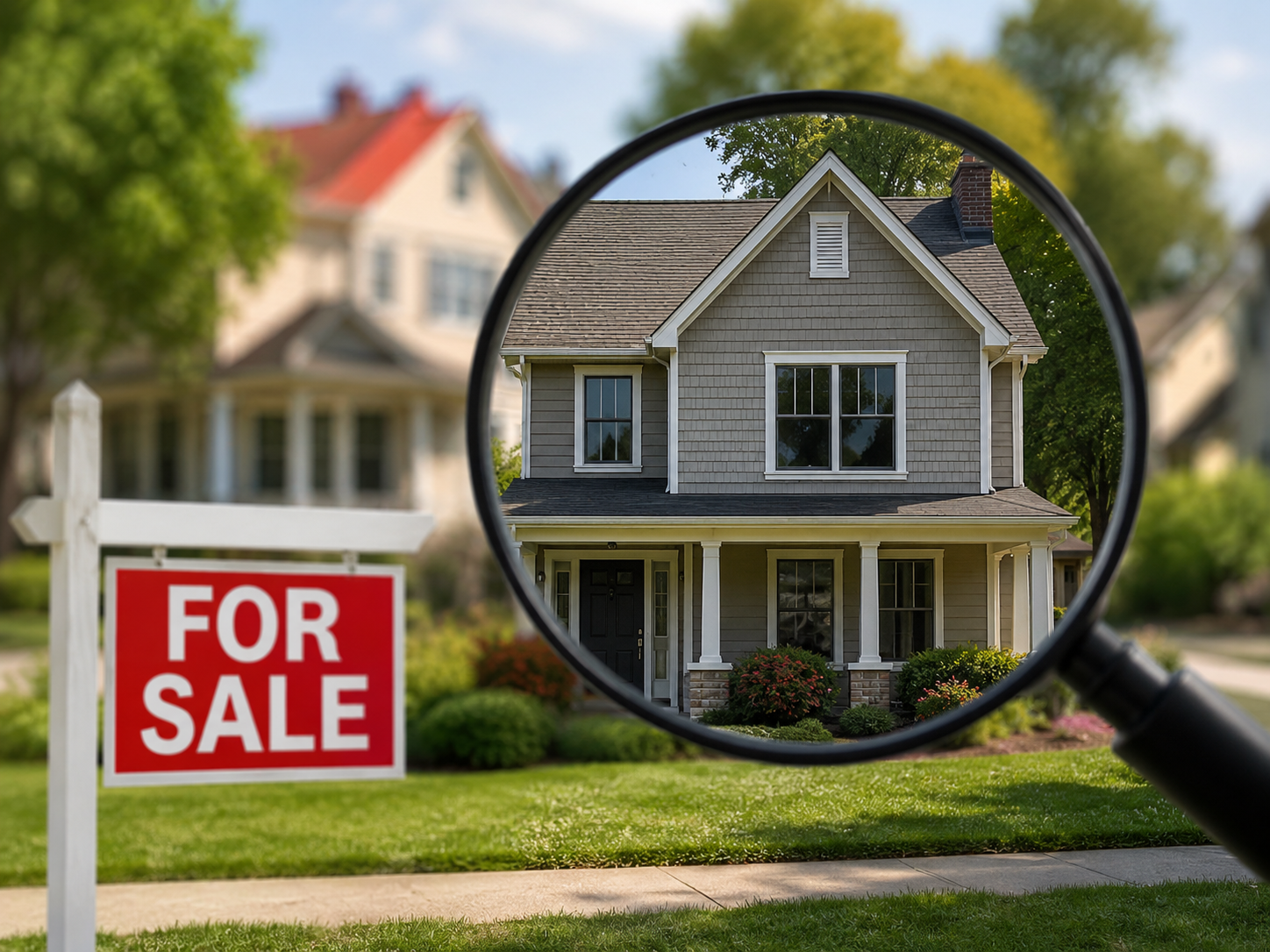
A house is a good deal in 2026 if it passes four tests: the asking price is reasonable compared with recent comparable sales, the full monthly cost fits your budget after taxes and insurance, the rent comparison does not expose a major overpayment, and the home would not trap you financially if you had to sell in three to five years.
A low list price alone is not enough. A home with high insurance, deferred maintenance, a large HOA, poor resale demand, or a weak rent estimate can become expensive even when the purchase price looks attractive.
Who this article is for
This article is for buyers who have found a specific home and are asking whether they should tour it, make an offer, increase their offer, or walk away. It is especially useful if you are comparing a house against renting, buying in another neighborhood, or waiting for a better fit.
It is also useful for agents, lenders, and family members helping buyers think clearly. The goal is not to turn every purchase into a spreadsheet. The goal is to prevent one emotional decision from becoming a five-year financial problem.
The four tests every home should pass before you make an offer
1. The price test: is the house priced fairly for today, not last year?
Start with the price because it is the number everyone sees first. But do not compare the asking price to the seller’s original list price. A price cut from $750,000 to $710,000 does not automatically mean the home is a bargain. It may only mean the first price was too high.
A better price test uses recent comparable sales. Look for homes that sold within the last three to six months, in the same neighborhood or school area, with similar square footage, condition, lot size, bedroom count, and property type. Active listings are useful for context, but sold homes matter more because they show what buyers actually paid.
Ask these questions:
- What did similar homes actually sell for?
- Were those homes renovated, average, or in need of work?
- Did they sell quickly or sit on the market?
- Is this home priced above comps because it is truly better, or because the seller is anchoring high?
- Does the price still make sense after repair credits or improvements you will need?
A home may be fairly priced even if it feels expensive. A home may be overpriced even after a price reduction. The test is not how the list price makes you feel. The test is whether the property is supported by recent evidence.
2. The payment test: can you afford the full monthly cost, not just principal and interest?
Most buyers check a mortgage calculator. Fewer buyers check the full ownership payment. Principal and interest are only part of the monthly cost. A realistic monthly payment includes property taxes, homeowners insurance, HOA dues, PMI if applicable, utilities, maintenance reserve, and sometimes special assessments.
Here is the basic formula:
| Cost item | Why it matters |
|---|---|
| Principal and interest | Your loan payment before escrow items |
| Property taxes | Often increase over time and vary by location |
| Homeowners insurance | Can rise sharply in areas with climate, fire, wind, or replacement-cost risk |
| HOA dues | Can change and may include special assessments |
| PMI | Applies if your down payment is below the lender threshold |
| Maintenance reserve | Roof, HVAC, plumbing, appliances, paint, landscaping, and general repairs |
| Utilities | Larger homes can be much more expensive to heat, cool, and maintain |
A good deal should survive a full-cost payment test. If the mortgage looks affordable only because you ignored insurance or repairs, the house is not really affordable.
3. The rent test: what would this home rent for, and what does that say about value?
Even if you plan to live in the home, the rent estimate matters. Rent is one of the clearest signals of local housing utility. It answers a simple question: what would someone pay each month for the right to live in this property without owning it?
The rent test is not saying you should always rent. It is saying you should understand the gap between ownership cost and rental value.
If a home would rent for $3,000 per month but costs $5,200 per month to own before maintenance, you need a strong reason to buy. That reason might be long-term stability, schools, pets, renovation plans, tax considerations, or expected appreciation. But you should know the tradeoff before you make the offer.
A RentCast snapshot can make this section stronger by adding rent estimate ranges, nearby rental comps, property type, bedrooms, bathrooms, square footage, radius, and comp count. Use static snapshots in the article. Do not call a live API from the blog page.
4. The resale risk test: what happens if you need to sell in three to five years?
Buyers often assume they will keep the home for a long time. Life may not cooperate. Jobs change, families change, neighborhoods change, and housing costs change. A good purchase should not become a financial trap if your timeline shortens.
The resale risk test asks:
- Could you likely sell the home without bringing cash to closing?
- Are you buying in a neighborhood with steady demand?
- Are there obvious buyer objections, such as a busy road, unusual layout, limited parking, high HOA, or deferred maintenance?
- Would transaction costs erase your equity if you sold early?
- Would renting the home be a backup option if you moved?
The biggest mistake is treating future appreciation as guaranteed. Appreciation can help, but it should not be the only reason the deal works.
Example: a home that looks affordable until the full numbers are included
Imagine a buyer looking at a $675,000 home. The online calculator shows a payment that feels manageable, but the buyer has not yet included the full cost.
| Item | Example amount |
|---|---|
| Purchase price | $675,000 |
| Down payment | $135,000 |
| Loan amount | $540,000 |
| Principal and interest estimate | about $3,420/month |
| Property tax estimate | $705/month |
| Insurance estimate | $230/month |
| HOA dues | $180/month |
| Maintenance reserve | $560/month |
| Estimated full monthly ownership cost | about $5,095/month |
| Estimated market rent for similar home | $3,500/month |
This home is not automatically bad. But now the buyer sees the real question: is paying roughly $1,600 more per month than rent worth it for ownership, stability, future equity, lifestyle, and expected holding period?
If the buyer expects to stay ten years, has stable income, and the home has low repair risk, the answer may be yes. If the buyer may move in three years, needs every dollar of savings, and the home needs a roof, the answer may be no.
How to know whether the price cut is real value or just marketing
A price cut is useful only when it moves the property closer to fair value. Sellers sometimes list high, reduce the price, and hope buyers react to the discount rather than the market.
Check these signals:
Days on market
Longer days on market can mean weak demand, but it can also mean the home was initially overpriced. Compare days on market with similar homes, not with the whole city.
Multiple price reductions
Multiple reductions may signal seller motivation. They may also signal that the home has a problem buyers are discovering during tours or inspections.
Listing photos vs. repair reality
Good photography can hide old systems, drainage problems, roof age, foundation cracks, and layout problems. A house that photographs well may still need expensive work.
Monthly cost after the price cut
A $20,000 price cut does not always reduce the monthly payment enough to matter. On a 30-year mortgage, the monthly principal-and-interest change from a $20,000 reduction may be much smaller than a change in insurance, taxes, or HOA dues.
Decision rules buyers can use
Use these rules as a starting point, not as universal laws.
Slow down if the full payment is more than 25% higher than your original budget
This does not mean you cannot buy. It means you should revisit assumptions before you compete for the home.
Slow down if the home only works with optimistic appreciation
If the deal requires strong appreciation to avoid a loss in three to five years, the downside risk is high.
Slow down if the rent estimate is far below ownership cost and your timeline is short
A big gap between rent and ownership cost can be acceptable for a long-term home. It is riskier when you may move soon.
Slow down if repairs are uncertain
Unknown repairs are not small details. They change your down payment cushion, emergency fund, and resale risk.
Consider moving forward if the home passes all four tests and fits your life
A home does not need to be the cheapest option to be the right one. It needs to be a deliberate decision, not a surprise.
How Home Decision Lab helps
Before you make an offer, run the address through the Home Decision Lab Home Analysis Report: Home Analysis Report.
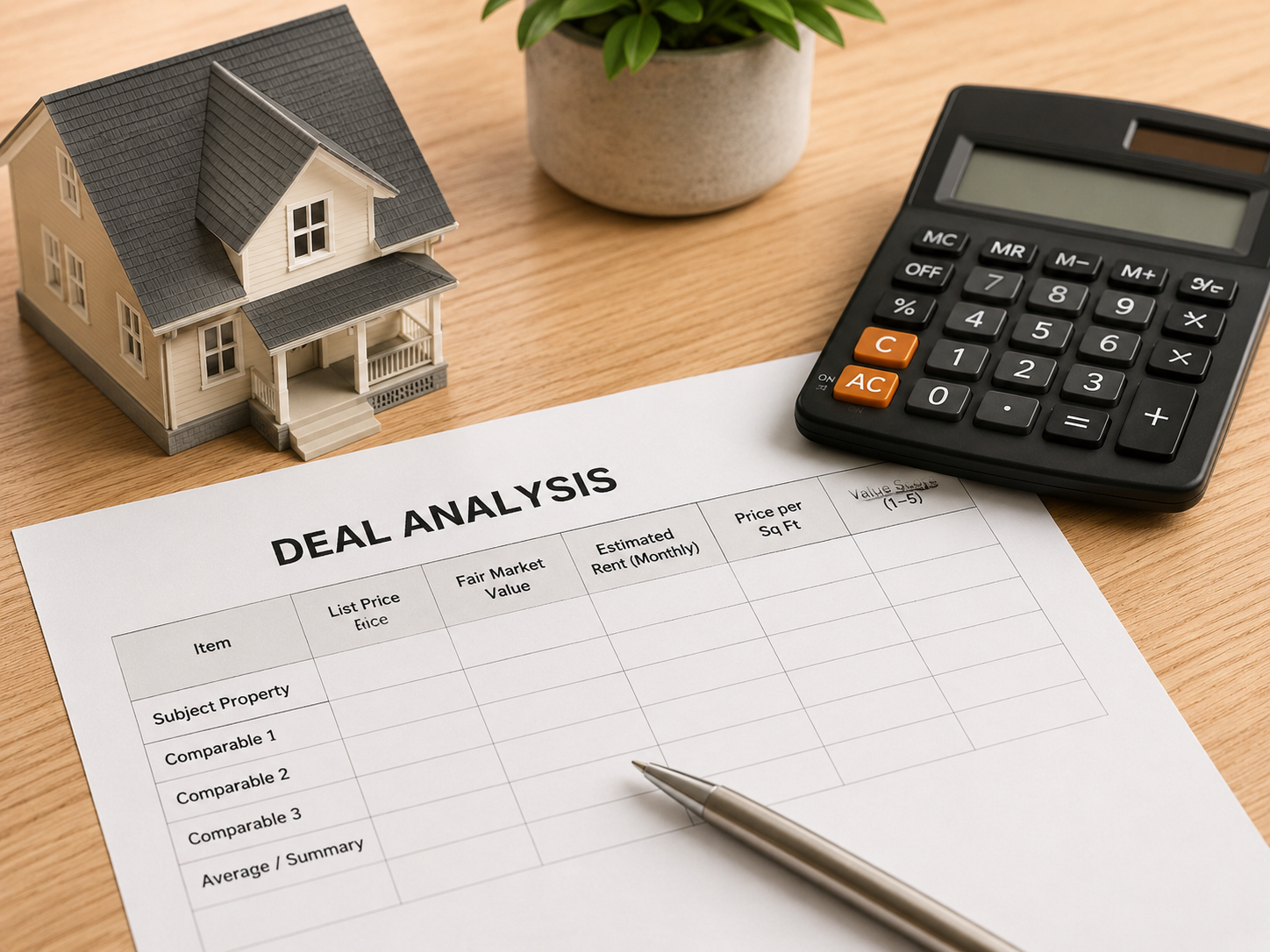
A strong analysis should help you compare price, payment, rent estimate, ownership costs, and resale risk in one place. If you are still deciding between renting and buying, use the Rent vs Buy calculator at Rent vs Buy calculator to compare the buy path against the rent-and-invest path.
FAQ
How do I know if a house is overpriced?
A house is probably overpriced if similar homes recently sold for less after adjusting for size, condition, location, and features. It may also be overpriced if it has high days on market, multiple price reductions, or a full monthly cost that is far above comparable alternatives.
Is a price reduction a good sign when buying a house?
A price reduction can be a good sign, but it is not proof of value. The reduced price still needs to be compared with recent sales, repair needs, monthly ownership costs, and resale demand.
Should I compare buying a house to renting a similar home?
Yes. Even if you want to own, rent comparison helps you understand the cost of control, stability, and future equity. The goal is not to prove renting is better. The goal is to know what ownership is costing you above the rental alternative.
How much should I budget for home maintenance?
Many buyers start with 1% of the home value per year as a rough maintenance reserve, but the right number depends on age, condition, climate, roof, HVAC, plumbing, landscaping, and whether you can do some repairs yourself.
What makes a house risky to resell?
Common resale risks include unusual floor plans, busy roads, limited parking, high HOA dues, major deferred maintenance, poor natural light, location objections, and local demand that depends on a narrow buyer pool.
Can a house be a good deal even if it costs more than renting?
Yes. A house can be worth more than renting if you plan to stay long enough, value stability, can afford the full cost, and have a reasonable expectation of equity growth. The key is to understand the tradeoff before buying.
Data sources and assumptions used in this article
This article is educational and uses public market context plus example calculations. Numbers should be refreshed before publishing if Home Decision Lab has newer internal data.
- Freddie Mac Primary Mortgage Market Survey context: 30-year fixed-rate mortgage averaged 6.52% for the week reported June 11, 2026.
- FHFA House Price Index context: U.S. home prices were up 1.7% year over year in Q1 2026 and up 0.5% from Q4 2025.
- U.S. Census/ACS housing-cost framing: ownership cost includes more than the mortgage payment, including taxes, insurance, utilities, fees, and other required housing expenses.
- RentCast can be used for static data snapshots where available: rent estimates, value estimates, comps, property records, listings, and local market trend data. Do not expose an API key in public blog code.
Source URLs:
- https://www.globenewswire.com/news-release/2026/06/11/3310694/0/en/Mortgage-Rates-Average-6-52.html
- https://www.fhfa.gov/reports/house-price-index/2026/Q1
- https://www.census.gov/acs/www/about/why-we-ask-each-question/housing/
- https://www.census.gov/newsroom/press-releases/2025/acs-5-year-estimates.html
- https://developers.rentcast.io/reference/rent-estimate-long-term
- https://www.rentcast.io/api
Educational disclaimer
Home Decision Lab is an educational decision-support tool, not a lender, real estate broker, tax advisor, or financial advisor. This article should not be treated as personal financial, legal, lending, investment, or tax advice. Buyers and homeowners should confirm numbers with qualified professionals before making an offer, refinancing, selling, renting, or moving.
Educational only. This is not financial, legal, tax, mortgage, investment, or real estate advice.